
In the past, making a quality 3D assets required a mix between technical expertise, artistry and a significant amount of time. Designers needed to manually shape shapes, apply textures, adjust lighting, and prepare the files for various platforms. Artificial intelligence has transformed this process. Modern tools based on AI are able to make 3D models quickly. They usually start with a text prompt or even a photo.
This change is making 3D design more accessible to newbies and professionals alike this opens the doorway to speedier production and more creative exploration.
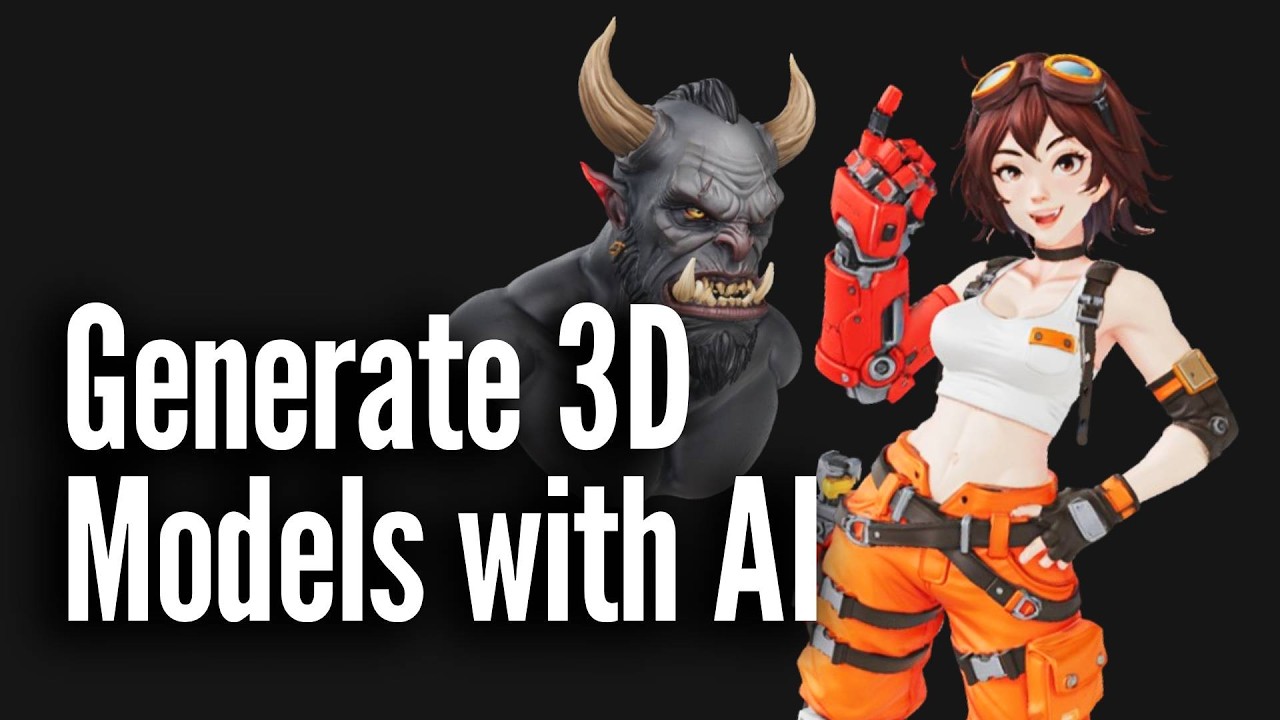
In a matter of minutes, you can change an image into an 3D model in just a few minutes.
The technology of Image to 3D Model is among of the hottest advances in this area. Instead of creating objects from scratch using artificial intelligence, an image is analysed to identify shapes as well as depth. Then, it is reconstructed to create an asset in 3D.
This feature is extremely useful for industries that require speed and precision in their visuals. Game developers can quickly prototype architectural models prior to construction as well as product designers are able to test concepts without requiring lengthy modeling sessions. Marketing and education professionals are beginning to realize the importance of converting ideas into interactive 3D content.
Time savings are substantial. The savings from time are significant.
AI 3D modeling is becoming more popular
The demand for AI 3D model tools continues to grow because they simplify complex workflows. Artificial intelligence systems developed on large databases can produce realistic shapes and materials with consistency and accuracy.
This speed doesn’t just enhance productivity, it also increases creativity. Designers can try numerous variations of a concept in a relatively short amount of time, compare the results, and then select the most efficient solution. This process of rapid iteration is becoming essential in industries like film production, advertising, and e-commerce visualization.
Another important advantage is accessibility. A lot of modern platforms are designed so that users with little or no knowledge of 3D design can still produce high-quality, professional-grade assets.
seamless integration into professional workflows
For professionals, compatibility and speed are equally important. Modern 3D model AI platforms are designed to seamlessly integrate into existing pipelines. Models can be exported using numerous formats like FBX, OBJ, GLB, STL, and USDZ which makes them simple to use in game engines, rendering software and even 3D printing systems.
Asset databases that are organized also play vital roles in achieving an efficient production. Having every generated model stored in a searchable database helps teams to keep their projects organized and feasible. Filtering the files with tags or downloading them in bulk and accessing older versions quickly can help you save hours of administrative work.
Security and privacy options have also become common. This allows creators to keep assets created private, ready for use immediately in commercial or creative projects.
Control and precision with AI Tools
Modern AI tools for 3D models often have detailed adjustments features. Users can designate pivot points and set precise measurements to ensure that objects are properly placed in the scene. These features are crucial for animation, simulation, and architectural visualization in which precision is essential.
Artificial Intelligence is also employed for texture generation. This allows the creators of realistic materials to swiftly produce these. It reduces the time required for manual painting, while preserving a professional appearance.
Looking ahead: The Future of 3D Model AI
As AI continues to grow, 3D models AI will have more possibilities. Advanced systems may be able to create whole environments, optimize assets automatically and adjust models for different platforms with no additional steps.
These platforms are already proving how effective they can be. 3D AI Studio, the ultimate 3D asset studio is a reflection of the most recent generation of software, designed to speed up workflows, ease creation and help creators to take an idea or conceptualization to a finished model in a short amount of time.
Conclusion
The production of digital content is being transformed by the ability to quickly move from a concept to a finished asset. Creators do not have to be limited by manual workflows. With modern AI 3D modeling tools and 3D modeling technology it is possible to move from idea to final product quickly.
These technologies will continue to improve and will play a greater part in the industries of entertainment, gaming engineering, education, and more. They will enable high-quality 3D production quicker, more intelligent and easier to access.